

Coloring your hair at home is convenient, but it can lead to dryness, breakage, and damage. Many women end up with brittle hair — not because they did it wrong, but because no one explained how to prevent damage when coloring hair at home properly. The good news? With the right approach, you can enjoy healthy, vibrant hair.
At Casa Rio Ladies Salon in JVC, we help clients who tried home coloring without preparation. This guide shows you how to color your hair safely at home, with expert tips and answers to the most searched questions online.
Why Does Hair Get Damaged During Coloring?
Hair dye works by opening the hair cuticle to allow color pigments to penetrate the hair shaft. This chemical process can weaken the hair if not done correctly, especially when coloring hair at home. Learning how to prevent damage when coloring hair at home is key to keeping your hair healthy and strong.
According to professional colorists at Casa Rio Best Hair Color Salons in Dubai JVC, most hair damage happens due to:
- Over-processing the dye
- Repeated coloring on already dyed hair
- Coloring hair that is dry or protein-overloaded
- Using permanent dye when it’s not necessary
One of the most common questions is permanent hair dye damaging, and the answer depends on factors like application technique, frequency, and overall hair health.
Understanding why damage occurs is the first step toward healthier, longer-lasting color results.

What You Can Do Before Dyeing Your Hair
Proper preparation plays a major role in minimizing damage.
Choose the Right Dye for Your Hair Type
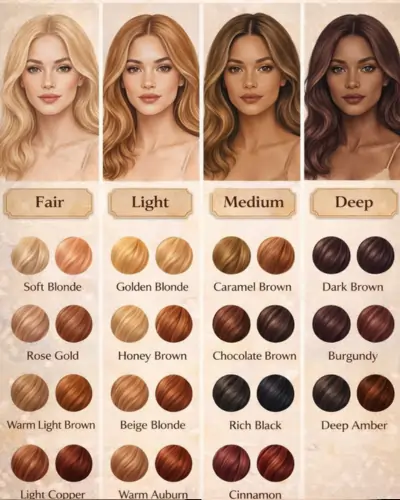
Many people ask which hair colour does not damage hair, and in most cases, ammonia-free and semi-permanent formulas are considered the safest options for maintaining hair strength.
Semi-permanent hair dyes are gentler than permanent options. If you’re curious, is semi permanent hair dye damaging, you’ll be happy to know it typically causes far less structural stress on your hair.
Understanding how long does a semi permanent hair color last helps you choose a gentler coloring option and plan your touch-ups without exposing your hair to unnecessary chemicals.
Do a Patch Test to Protect Your Scalp
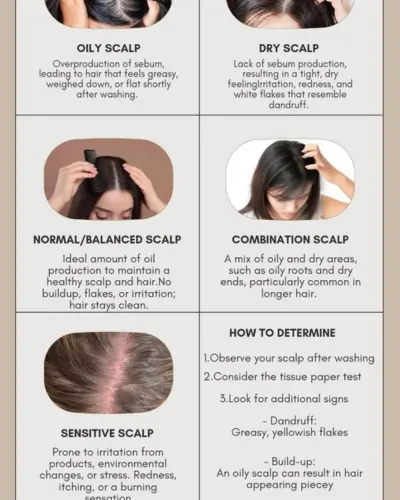
Skipping a patch test may cause scalp irritation or inflammation, which can weaken hair roots and increase breakage. Choosing the best hair color for sensitive scalp significantly reduces irritation and helps maintain a healthy scalp environment.
This step is especially important if you’re concerned about shedding or scalp sensitivity.
Avoid Washing Hair Right Before Coloring

Natural scalp oils act as a protective barrier during the coloring process. Washing your hair immediately before dyeing removes this protection and may increase dryness or irritation.
Coloring Hair After Protein Treatment: What You Should Know
Coloring hair after protein treatment can make hair stiff and prone to breakage. Always wait 7–10 days after a protein treatment before applying hair dye to avoid excessive damage. For other chemical treatments that affect hair texture, check out How Long Does a Korean Perm Last to learn how to maintain healthy hair, and follow our Hair Care Routine After Keratin Treatment for smooth, nourished, and healthy hair.
Avoid Washing Hair Right Before Coloring
Natural scalp oils protect your hair during coloring. Washing right before dyeing removes these oils, which can increase dryness and irritation.
How to Prevent Damage During the Coloring Process
How to Color Hair Without Damage at Home
- Follow instructions exactly and never exceed processing time
- Apply dye gently without aggressive rubbing
- Use gloves and distribute color evenly
Preventing Hair Damage During the Coloring Process
Avoid overlapping dye on hair that has already been colored. When touching up roots, apply color only to new growth to prevent dryness and breakage.
Does Dyeing Hair Without Bleach Reduce Damage?
Yes. Avoiding bleach significantly reduces hair stress, as bleaching is the most aggressive step in the coloring process. If your hair is already lightened or severely dry, following Bleach Damaged Hair Repair Home Remedies can help restore moisture and reduce breakage before considering another coloring session.
Dyeing Hair Without Bleach to Reduce Damage
Avoiding bleach reduces hair stress significantly, as bleaching is the most aggressive step. If your hair is already dry, use restorative treatments before coloring again.
How to Prevent Damage from Hair Dye After Rinsing
Hair care after coloring is essential for anyone learning how to prevent damage when coloring hair at home:
- Rinse hair with cool or lukewarm water to seal the cuticle
- Wait 48–72 hours before shampooing
- Use sulfate-free shampoos to maintain moisture
Using the best treatment for color damaged hair after rinsing helps restore hydration, repair weakened strands, and prevent long-term breakage.
Choosing the best hair color for dry hair also plays a crucial role in preventing moisture loss and maintaining softness after coloring.
Deep Conditioning Tips for Color-Treated Hair
Use a deep-conditioning mask weekly to restore moisture, strengthen strands, and maintain shine.
Best Leave-In Treatments
Leave-in conditioners and serums help protect hair from heat and environmental damage while keeping color vibrant.
Protecting Colored Hair From Heat and Sun Damage
Always use heat protectants before styling and UV-protection sprays when exposed to sunlight to maintain hair health and color.
Hot Oil Treatments for Color Protection
Regular hot oil treatments nourish hair, restore shine, and reduce breakage for color-treated hair.
Special Cases When Coloring Hair at Home
How to Prevent Damage When Coloring Hair at Home Black
Black and dark dyes contain high pigment concentration. To reduce damage:
- Avoid reapplying dye to the ends
- Space coloring sessions further apart
- Use deep moisturizing masks weekly
How to Prevent Damage When Coloring Hair at Home Natural
If you’re aiming for a natural result, selecting the best hair color for healthy hair helps maintain shine and moisture while achieving soft, natural-looking results.
Does Dying Your Hair Darker Damage It?
Darker dyes usually cause less damage than lighter shades because they don’t require bleaching, but frequent applications can still dry the hair.
Common Mistakes That Cause Hair Damage When Dyeing
Avoid these common errors:
- Leaving dye on longer than instructed
- Washing hair immediately with hot water
- Coloring hair too frequently
- Skipping moisture and nourishment after dyeing
These mistakes are often why people believe hair dye causes permanent damage. If you’re considering hair extensions, read our guide on Do permanent extensions damage your hair to ensure your hair stays healthy.
Avoid Double Processing
Coloring over already dyed hair without proper waiting time can cause excessive dryness and breakage.
Don’t Color Too Frequently
Give your hair time to recover between coloring sessions to maintain strength and shine.
Special Care for Red or Vibrant Colors
Bright or red shades fade faster and require extra conditioning and sulfate-free shampoos.
When Should You Avoid Coloring Hair at Home?
You should avoid home coloring if:
- Your hair is extremely dry or breaking
- You’ve recently had chemical or protein treatments
- You notice excessive shedding
Professional consultation is especially important when choosing the best hair dye for fragile hair, as incorrect formulas can worsen existing damage.
If you’re searching for the best home hair color for damaged hair, expert guidance ensures you avoid products that increase dryness or breakage.
At Casa Rio Ladies Salon in JVC, our expert colorists assess hair condition and use gentle coloring techniques to protect hair health while delivering beautiful, long-lasting results. For pricing details and packages, check Hair Color in Dubai with Price.
Final Thoughts
Learning how to prevent damage when coloring hair at home allows you to enjoy beautiful color without sacrificing hair strength. With proper preparation, careful application, and smart after-care, you can significantly reduce damage and maintain healthy hair. Check out our Best Hair Mask for Chemically Damaged Hair for ultimate nourishment.
However, if you’re unsure or dealing with previously damaged hair, professional coloring services at Casa Rio Hair Salon in JVC provide customized, damage-minimizing solutions designed for your hair type and lifestyle.
Want your hair to look healthier and shinier after coloring? Explore our expert tips with Hair Color That Makes Your Hair Look Healthier
– guaranteed shine and nourishment.
FAQs
Does dying your hair damage it permanently?
Hair damage is usually reversible with proper care, but repeated chemical treatments can weaken hair over time.
Does dying your hair cause hair loss?
Hair dye doesn’t directly cause hair loss, but irritation or breakage can make hair appear thinner.
Does dying your hair semi permanent damage it?
Semi-permanent dye is one of the gentlest options and fades gradually without deeply altering hair structure.
Temporary hair dye that won’t damage hair — does it exist?
Yes. Temporary dyes coat the hair surface and wash out easily without structural damage.
Permanent hair dye that doesn’t damage hair — is it possible?
Permanent dye always causes some level of damage, but professional techniques and proper after-care greatly reduce the risk.
How do I keep my hair from getting damaged after coloring?
Rinse with cool water, wait 48–72 hours before shampooing, use sulfate-free products, and apply deep conditioning masks regularly.
How can I dye my hair without damaging it?
Choose gentle dyes like semi-permanent or ammonia-free, follow instructions carefully, avoid overlapping color, and skip bleach when possible.
How to prevent damage when coloring hair naturally?
Use herbal or ammonia-free dyes, stay close to your natural shade, apply nourishing masks, and space out coloring sessions.
What is the healthiest way to color hair?
Use semi-permanent or ammonia-free dyes, protect hair with conditioners or oils, rinse with cool water, and limit frequent chemical treatments.
Can I color my hair if I have psoriasis on my scalp?
Yes, but with caution. It’s best to consult a professional colorist or dermatologist first. Gentle, ammonia-free dyes are recommended, and avoid applying dye on inflamed or flaky areas to prevent irritation.
Can I dye my hair if I have telogen effluvium?
Yes, but it’s important to be gentle. Hair is already shedding, so avoid harsh chemicals or frequent coloring. Professional advice and gentle semi-permanent or ammonia-free dyes can minimize further stress on hair.